
Product Description
Product Description
Our Gear types: Straight Teeth Gear, sprocket, Oblique Teeth Cylinder Gear, External Spur Gear, Internal Spur Gear, Gear Shaft etc the standard and non standard according to the drawings or samples.
Material: 45#, 40Cr, 20CrMo, 20CrMoti, 17CrNiMo6, 20CrMnTi or the others
Heat treatment: Medium frequency quenching, high frequency quenching, carburizing and quenching, nitriding, Carbon-Nitriding, Salt bath quenching.
Working Process: Gearh hobbing, Gear shaving, Gear shaping, Gear grinding etc
Precision Grade: GB5-8, JIS 1-4, AGMA 12-9, DIN 6-9
Application area: Auto gearbox, medical equipment, metallurgical machinery, port machinery, lifting equipment, mining machinery, electrical power equipment, light industry equipment, environmental protection machinery.
Detailed Photos
Product Parameters
Take the example of our sprocket or chainwheel
The standard and non standard according to the drawings or samples.
Material: C45, S235JR, CAST STEEL or the others
1, Description: Sprocket, chainwheel
2, Types:
A) Standard sprocket
B) Finished bore sprocket
C) Taper bore sprocket
D) Double plate wheels
E) conveyor sprocket
3, Material: C45, S235JR, Nylon
4, Surface treatment: Zinc-plated, black finish
5, Single A-type, double A-type, Welding hub KB-type, Welding hub C-type etc for your reference.
6. Process: Forging( casting)—lathe- teeth shaping—finishing—oil washing—Packing, made by CNC machine
7. Inspection: All items are checked and tested thoroughly during every working procedure and after the product is finally manufactured to ensure that the best quality product enter into the market.
Packaging & Shipping
Our Advantages
After Sales Service
Our Core range of spur gears, industry sprocket, and roller chains are specifically designed to be interchangeable and versatile, this helps us keep lower stock levels while achieving the customization necessary for so many applications. The core offer has also enabled us to offer excellent pricing levels for low quantities, often prototypes are very expensive due to lack of economies of scale we have tried to help with this as much as possible. HangZhou CZPT can offer bespoke units for larger quantities and offer a Supply Chain service where we work closely with our customers to identify the optimal delivery schedule in accordance with OEM production levels. If you are looking for spur gear, drive shafts, industry sprocket etc, you have come to the right place, our expert technical sales staff will recommend the best possible option for both your application and your pocket. Contact us now to discuss your application.
HangZhou CZPT TRADE CO., LTD is responsible for exporting the above products, and we also import some important products from oversea markets.
Our company has got the right of import and export from the Government department.
It is necessary to get your specific requirement when contacting us,
for example of gear, number of teeth, module, pitch diameter, inner hole diameter, thickness, outside drawing etc. and then we will give the accurate offers.
Therefore, hope to get your feedback soon.
Please watch our process steps as below
(1) process these output shafts
(2)process these spur gears and sprockets
(3) turning machining
(4) assembly preparation
(5) fine process workshop
CHOOSE US FOR:
1. We offer engineer suggestion to your specified design in production improvement and cost saving.
2. R&D and QC department focus on the products to meet your strict requirements.
3. Different surface treatments available, plating, power coating, painting, anodized,polishing, electrophoresis, etc.
4. Different dimensions according to buyer’s request.
5. Various packagings according to specific requirements.
6. Customized and tailored orders are welcome.
7. Good quality and Quick action.
8. Our products have been exported to America, Australia,German,Korea,Indian.
CONFIDENTIAL POLICY:
1) The appointed products are only for you.
2) Your informations&documents are confidential.
3) Your drawings&sketch are confidential.
FAQ
Question:
1.Q:How about mould cost?
A: primarily depend on : 1.Drawing, 2.material, 3.weight and quantity.
We need to know the structure of each parts to analyze the mold solution by:
1) –Complete design drawing or actual sample —– the best way
–PDF drawing with complete dimension for each parts
–Clearly photos for each parts with more angle-views to show every features.
2)The materials and surface treatments.
3)The quantity of order.
2.Q:How to control the product processing?
A: The processing report or pictures will be sent to the customer every week/ each month for review.
3.Q:Who will own the mould?
A:Customer, also the mould can be kept in our factory for future order.
4.Q:How long do you make your quotation?
A:After receiving detail informations we will quote in 1 to 3 days.
5.Q: Are the samples/prototype free of charge?
A: charged,but it will be returned to buyer when an order confirmed and order quantity is over 5000 pcs.
After your drawing confirmed and charges done for the prototype, we will produce a sample
by CNC machining. And the first trial samples (1-3pcs) will be shipped to buyer
by the DHL /Fedex at buyer’s express account or prepay the express charges.
MOQ? — 200units and accept sample order.
| Application: | Machinery, Marine, Agricultural Machinery, Agricultural |
|---|---|
| Hardness: | Hardened |
| Gear Position: | External Gear |
| Manufacturing Method: | Rolling Gear |
| Toothed Portion Shape: | Spur Gear |
| Material: | Alloy Steel |
| Samples: |
US$ 680/Piece
1 Piece(Min.Order) | |
|---|
| Customization: |
Available
| Customized Request |
|---|
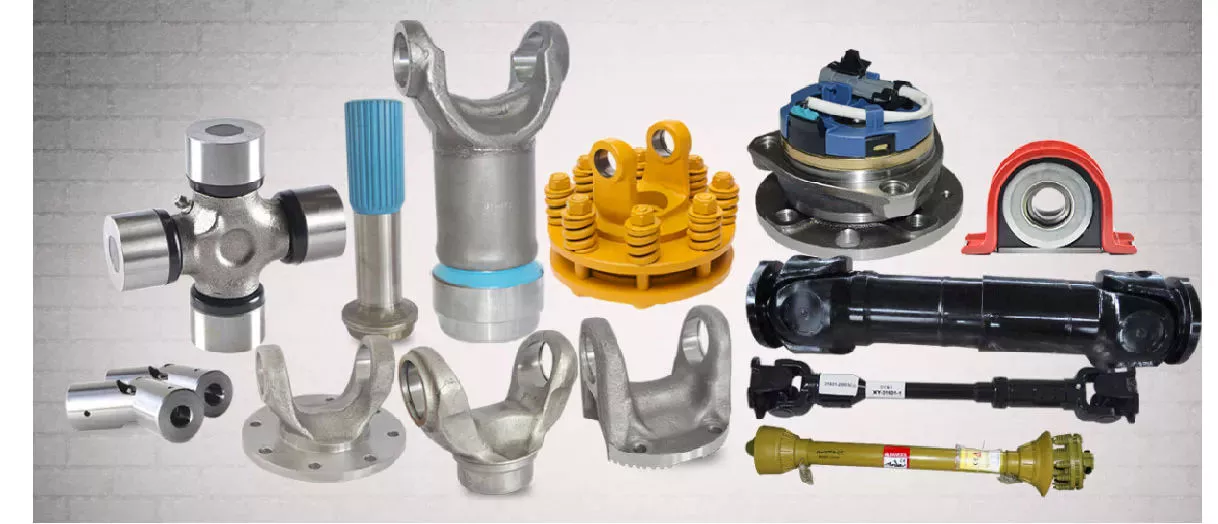
What factors should be considered when selecting the right drive shaft for an application?
When selecting the right drive shaft for an application, several factors need to be considered. The choice of drive shaft plays a crucial role in ensuring efficient and reliable power transmission. Here are the key factors to consider:
1. Power and Torque Requirements:
The power and torque requirements of the application are essential considerations. It is crucial to determine the maximum torque that the drive shaft will need to transmit without failure or excessive deflection. This includes evaluating the power output of the engine or power source, as well as the torque demands of the driven components. Selecting a drive shaft with the appropriate diameter, material strength, and design is essential to ensure it can handle the expected torque levels without compromising performance or safety.
2. Operating Speed:
The operating speed of the drive shaft is another critical factor. The rotational speed affects the dynamic behavior of the drive shaft, including the potential for vibration, resonance, and critical speed limitations. It is important to choose a drive shaft that can operate within the desired speed range without encountering excessive vibrations or compromising the structural integrity. Factors such as the material properties, balance, and critical speed analysis should be considered to ensure the drive shaft can handle the required operating speed effectively.
3. Length and Alignment:
The length and alignment requirements of the application must be considered when selecting a drive shaft. The distance between the engine or power source and the driven components determines the required length of the drive shaft. In situations where there are significant variations in length or operating angles, telescopic drive shafts or multiple drive shafts with appropriate couplings or universal joints may be necessary. Proper alignment of the drive shaft is crucial to minimize vibrations, reduce wear and tear, and ensure efficient power transmission.
4. Space Limitations:
The available space within the application is an important factor to consider. The drive shaft must fit within the allocated space without interfering with other components or structures. It is essential to consider the overall dimensions of the drive shaft, including length, diameter, and any additional components such as joints or couplings. In some cases, custom or compact drive shaft designs may be required to accommodate space limitations while maintaining adequate power transmission capabilities.
5. Environmental Conditions:
The environmental conditions in which the drive shaft will operate should be evaluated. Factors such as temperature, humidity, corrosive agents, and exposure to contaminants can impact the performance and lifespan of the drive shaft. It is important to select materials and coatings that can withstand the specific environmental conditions to prevent corrosion, degradation, or premature failure of the drive shaft. Special considerations may be necessary for applications exposed to extreme temperatures, water, chemicals, or abrasive substances.
6. Application Type and Industry:
The specific application type and industry requirements play a significant role in drive shaft selection. Different industries, such as automotive, aerospace, industrial machinery, agriculture, or marine, have unique demands that need to be addressed. Understanding the specific needs and operating conditions of the application is crucial in determining the appropriate drive shaft design, materials, and performance characteristics. Compliance with industry standards and regulations may also be a consideration in certain applications.
7. Maintenance and Serviceability:
The ease of maintenance and serviceability should be taken into account. Some drive shaft designs may require periodic inspection, lubrication, or replacement of components. Considering the accessibility of the drive shaft and associated maintenance requirements can help minimize downtime and ensure long-term reliability. Easy disassembly and reassembly of the drive shaft can also be beneficial for repair or component replacement.
By carefully considering these factors, one can select the right drive shaft for an application that meets the power transmission needs, operating conditions, and durability requirements, ultimately ensuring optimal performance and reliability.
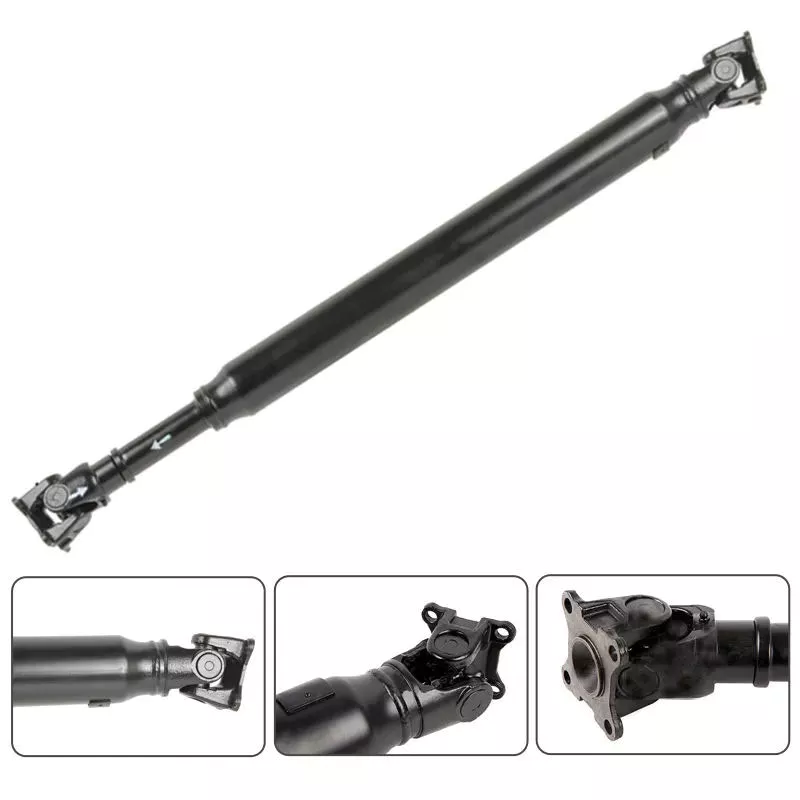
Can drive shafts be customized for specific vehicle or equipment requirements?
Yes, drive shafts can be customized to meet specific vehicle or equipment requirements. Customization allows manufacturers to tailor the design, dimensions, materials, and other parameters of the drive shaft to ensure compatibility and optimal performance within a particular vehicle or equipment. Here’s a detailed explanation of how drive shafts can be customized:
1. Dimensional Customization:
Drive shafts can be customized to match the dimensional requirements of the vehicle or equipment. This includes adjusting the overall length, diameter, and spline configuration to ensure proper fitment and clearances within the specific application. By customizing the dimensions, the drive shaft can be seamlessly integrated into the driveline system without any interference or limitations.
2. Material Selection:
The choice of materials for drive shafts can be customized based on the specific requirements of the vehicle or equipment. Different materials, such as steel alloys, aluminum alloys, or specialized composites, can be selected to optimize strength, weight, and durability. The material selection can be tailored to meet the torque, speed, and operating conditions of the application, ensuring the drive shaft’s reliability and longevity.
3. Joint Configuration:
Drive shafts can be customized with different joint configurations to accommodate specific vehicle or equipment requirements. For example, universal joints (U-joints) may be suitable for applications with lower operating angles and moderate torque demands, while constant velocity (CV) joints are often used in applications requiring higher operating angles and smoother power transmission. The choice of joint configuration depends on factors such as operating angle, torque capacity, and desired performance characteristics.
4. Torque and Power Capacity:
Customization allows drive shafts to be designed with the appropriate torque and power capacity for the specific vehicle or equipment. Manufacturers can analyze the torque requirements, operating conditions, and safety margins of the application to determine the optimal torque rating and power capacity of the drive shaft. This ensures that the drive shaft can handle the required loads without experiencing premature failure or performance issues.
5. Balancing and Vibration Control:
Drive shafts can be customized with precision balancing and vibration control measures. Imbalances in the drive shaft can lead to vibrations, increased wear, and potential driveline issues. By employing dynamic balancing techniques during the manufacturing process, manufacturers can minimize vibrations and ensure smooth operation. Additionally, vibration dampers or isolation systems can be integrated into the drive shaft design to further mitigate vibrations and enhance overall system performance.
6. Integration and Mounting Considerations:
Customization of drive shafts takes into account the integration and mounting requirements of the specific vehicle or equipment. Manufacturers work closely with the vehicle or equipment designers to ensure that the drive shaft fits seamlessly into the driveline system. This includes adapting the mounting points, interfaces, and clearances to ensure proper alignment and installation of the drive shaft within the vehicle or equipment.
7. Collaboration and Feedback:
Manufacturers often collaborate with vehicle manufacturers, OEMs (Original Equipment Manufacturers), or end-users to gather feedback and incorporate their specific requirements into the drive shaft customization process. By actively seeking input and feedback, manufacturers can address specific needs, optimize performance, and ensure compatibility with the vehicle or equipment. This collaborative approach enhances the customization process and results in drive shafts that meet the exact requirements of the application.
8. Compliance with Standards:
Customized drive shafts can be designed to comply with relevant industry standards and regulations. Compliance with standards, such as ISO (International Organization for Standardization) or specific industry standards, ensures that the customized drive shafts meet quality, safety, and performance requirements. Adhering to these standards provides assurance that the drive shafts are compatible and can be seamlessly integrated into the specific vehicle or equipment.
In summary, drive shafts can be customized to meet specific vehicle or equipment requirements through dimensional customization, material selection, joint configuration, torque and power capacity optimization, balancing and vibration control, integration and mounting considerations, collaboration with stakeholders, and compliance with industry standards. Customization allows drive shafts to be precisely tailored to the needs of the application, ensuring compatibility, reliability, and optimal performance.

Can you explain the different types of drive shafts and their specific applications?
Drive shafts come in various types, each designed to suit specific applications and requirements. The choice of drive shaft depends on factors such as the type of vehicle or equipment, power transmission needs, space limitations, and operating conditions. Here’s an explanation of the different types of drive shafts and their specific applications:
1. Solid Shaft:
A solid shaft, also known as a one-piece or solid-steel drive shaft, is a single, uninterrupted shaft that runs from the engine or power source to the driven components. It is a simple and robust design used in many applications. Solid shafts are commonly found in rear-wheel-drive vehicles, where they transmit power from the transmission to the rear axle. They are also used in industrial machinery, such as pumps, generators, and conveyors, where a straight and rigid power transmission is required.
2. Tubular Shaft:
Tubular shafts, also called hollow shafts, are drive shafts with a cylindrical tube-like structure. They are constructed with a hollow core and are typically lighter than solid shafts. Tubular shafts offer benefits such as reduced weight, improved torsional stiffness, and better damping of vibrations. They find applications in various vehicles, including cars, trucks, and motorcycles, as well as in industrial equipment and machinery. Tubular drive shafts are commonly used in front-wheel-drive vehicles, where they connect the transmission to the front wheels.
3. Constant Velocity (CV) Shaft:
Constant Velocity (CV) shafts are specifically designed to handle angular movement and maintain a constant velocity between the engine/transmission and the driven components. They incorporate CV joints at both ends, which allow flexibility and compensation for changes in angle. CV shafts are commonly used in front-wheel-drive and all-wheel-drive vehicles, as well as in off-road vehicles and certain heavy machinery. The CV joints enable smooth power transmission even when the wheels are turned or the suspension moves, reducing vibrations and improving overall performance.
4. Slip Joint Shaft:
Slip joint shafts, also known as telescopic shafts, consist of two or more tubular sections that can slide in and out of each other. This design allows for length adjustment, accommodating changes in distance between the engine/transmission and the driven components. Slip joint shafts are commonly used in vehicles with long wheelbases or adjustable suspension systems, such as some trucks, buses, and recreational vehicles. By providing flexibility in length, slip joint shafts ensure a constant power transfer, even when the vehicle chassis experiences movement or changes in suspension geometry.
5. Double Cardan Shaft:
A double Cardan shaft, also referred to as a double universal joint shaft, is a type of drive shaft that incorporates two universal joints. This configuration helps to reduce vibrations and minimize the operating angles of the joints, resulting in smoother power transmission. Double Cardan shafts are commonly used in heavy-duty applications, such as trucks, off-road vehicles, and agricultural machinery. They are particularly suitable for applications with high torque requirements and large operating angles, providing enhanced durability and performance.
6. Composite Shaft:
Composite shafts are made from composite materials such as carbon fiber or fiberglass, offering advantages such as reduced weight, improved strength, and resistance to corrosion. Composite drive shafts are increasingly being used in high-performance vehicles, sports cars, and racing applications, where weight reduction and enhanced power-to-weight ratio are critical. The composite construction allows for precise tuning of stiffness and damping characteristics, resulting in improved vehicle dynamics and drivetrain efficiency.
7. PTO Shaft:
Power Take-Off (PTO) shafts are specialized drive shafts used in agricultural machinery and certain industrial equipment. They are designed to transfer power from the engine or power source to various attachments, such as mowers, balers, or pumps. PTO shafts typically have a splined connection at one end to connect to the power source and a universal joint at the other end to accommodate angular movement. They are characterized by their ability to transmit high torque levels and their compatibility with a range of driven implements.
8. Marine Shaft:
Marine shafts, also known as propeller shafts or tail shafts, are specifically designed for marine vessels. They transmit power from the engine to the propeller, enabling propulsion. Marine shafts are usually long and operate in a harsh environment, exposed to water, corrosion, and high torque loads. They are typically made of stainless steel or other corrosion-resistant materials and are designed to withstand the challenging conditions encountered in marine applications.
It’simportant to note that the specific applications of drive shafts may vary depending on the vehicle or equipment manufacturer, as well as the specific design and engineering requirements. The examples provided above highlight common applications for each type of drive shaft, but there may be additional variations and specialized designs based on specific industry needs and technological advancements.


editor by CX 2023-11-18